
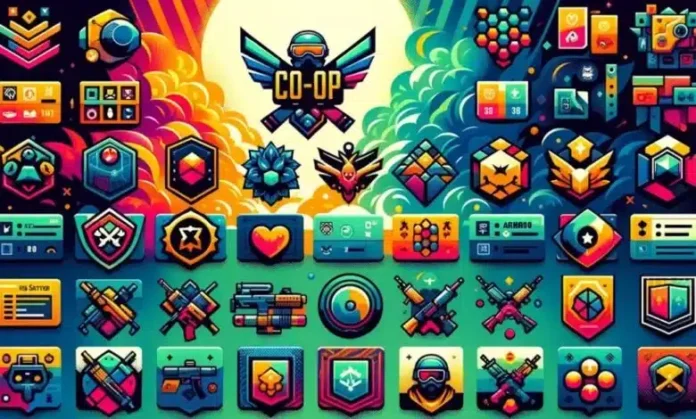
For over two decades, Sven Co-op has been a beloved cooperative mod for the iconic game Half-Life, offering players the chance to team up and take on a variety of missions, puzzles, and enemies. It’s known for its rich community-driven content and engaging cooperative gameplay. However, for many fans and creators, it’s not just about the gameplay itself but also about the visual aspects that enhance the experience, such as game icons and banners.
These visual elements are vital to shaping the game’s identity, whether you’re creating custom maps, promoting a server, or building community content. In this post, we’ll dive deep into Sven Co-op game icons and banners, exploring their significance, how to create them, and why they are important for the community.
The Importance of sven coop game icons banners
While gameplay mechanics are the heart of any game, visual branding such as icons and banners play a crucial role in defining a game’s aesthetic and personality. In Sven Co-op, this is no different. From the moment players navigate the menus, join servers, or browse fan-made content, they are greeted with icons and banners that set the tone.
Icons represent the game’s branding in multiple spaces, such as Steam libraries, desktop shortcuts, and community forums. Banners, on the other hand, provide visual promotion for mods, custom maps, and community events. They can be used on websites, in promotional posts, or even as artwork for fan communities on Discord, Reddit, or dedicated forums.
Well-designed icons and banners not only enhance the overall user experience but also help maintain the legacy of Sven Co-op by keeping it visually appealing and in line with modern design standards.
Also read: A Deep Dive into minecraft (2009) game icons banners
Designing Sven Co-op Game Icons
Game icons are the small graphical representations associated with your Sven Co-op installation or any mods, tools, or servers connected to the game. Typically displayed in 256×256 pixels, these icons need to be simple yet striking enough to stand out in the crowded digital space of modern gaming.
Here are some key tips for designing effective Sven Co-op icons:
- Use Bold Colors and Contrast: Sven Co-op has a retro aesthetic that matches its roots in Half-Life, but modern designs often require vibrant colors to stand out. Consider using strong, contrasting colors that are recognizable even at smaller sizes.
- Minimalist Approach: Icons are typically small and viewed at low resolutions. Using a minimalist design helps ensure the icon remains clear and distinguishable. Avoid overcrowding the icon with unnecessary details.
- Focus on Core Symbols: For Sven Co-op, key symbols like the Sven character, the iconic wrench, or elements from the Half-Life universe resonate well with fans. Keep the core identity of the game in mind when creating your icon.
- Consistency with Branding: Ensure that your icon ties into the overall visual identity of Sven Co-op. For example, if you’re designing an icon for a new mod or server, it should still feel like it belongs within the Sven Co-op universe.
Tools to Use
- Photoshop or GIMP: Both are great for creating pixel-perfect icons.
- Inkscape: If you prefer working with vector designs, Inkscape provides an excellent free tool for icon creation.
- IconArchive.com or Iconfinder: If you’re looking for inspiration or base icons to work from, these websites are excellent starting points.
Creating Sven Co-op Banners for Community Use
Banners serve as larger, more versatile visual assets that can be used to promote servers, events, or custom content. Whether you’re hosting a Sven Co-op event, releasing a new custom map, or advertising a fan-made project, a well-designed banner can grab attention and drive interest.
Here are some guidelines for designing Sven Co-op banners:
- Resolution and Size: Typically, banners are horizontal images with common sizes like 1200×300 pixels or 728×90 pixels for web use. However, depending on your platform (forums, social media, etc.), you might need different dimensions, so always check before designing.
- Highlight the Co-op Element: Sven Co-op is all about teamwork and multiplayer action. Your banner should reflect this. Use imagery that showcases players working together or highlights the cooperative nature of the game.
- Incorporate Familiar Themes: Use textures, fonts, or visuals that echo the Half-Life universe or the retro-futuristic style of Sven Co-op. This can include elements like hazard signs, sci-fi landscapes, or the infamous headcrab enemies.
- Typography Matters: Make sure your text is legible, bold, and consistent with the game’s aesthetic. Retro-style fonts, simple sans-serif fonts, or those mimicking the Half-Life logo can work well in your design.
- Call to Action: If you’re promoting an event, server, or mod, ensure the banner has a clear call to action. This could be something like “Join Now!” or “Play Our Custom Map!” to encourage clicks and engagement.
Tools to Use
- Canva: A popular free tool for creating banners, with easy-to-use templates.
- Adobe Illustrator: Great for high-quality, scalable banner designs.
- Fotor: Another user-friendly tool, especially for web banners.
Showcasing Your Icons and Banners in the Sven Co-op Community
Once you’ve designed your Sven Co-op icons or banners, the next step is sharing them with the community. Here’s how you can showcase and distribute your work:
- Steam Workshop: If you’ve created custom content, uploading icons and banners to Steam Workshop along with your mods or maps will ensure they are visible to thousands of potential players.
- Forums and Social Media: Post your banners in Sven Co-op forums, or share them on Reddit, Discord, Twitter, or other social media platforms. The Sven Co-op community is active across these channels and appreciative of fan-created content.
- Custom Servers: If you run a Sven Co-op server, you can use your custom banners and icons for server promotion. Upload them to server-listing websites or use them in forums to attract new players.
- Fan Sites: Sven Co-op has numerous fan sites and community-driven content hubs. Reach out to these platforms to see if they are interested in showcasing your designs or collaborating on content.
Conclusion
Sven Co-op game icons and banners are more than just visual elements; they are part of the game’s long-standing community culture and identity. Whether you’re a player looking to create something unique for your server or a designer wanting to contribute to the fan base, crafting compelling icons and banners can make a lasting impression.
With the right tools, design principles, and a deep understanding of the game’s aesthetic, you can create visuals that enhance the Sven Co-op experience and showcase your creativity within this beloved gaming community.


** - This is an open-source clone of the popular puzzle game 2048. The game is simple: combine tiles with the same number to reach 2048. Written in JavaScript and hosted on GitHub Pages, it became incredibly popular, with many variations created by other developers. 2. **[Hextris](https://hextris.io/)** - A fast-paced puzzle game inspired by Tetris. It’s a minimalistic but addictive experience. The source code is available on GitHub, and the game runs smoothly on both desktop and mobile devices. 3. **[Flappy Bird in HTML5](https://nebez.github.io/floppybird/)** - A clone of the infamous mobile game Flappy Bird built using HTML5 and JavaScript. This version keeps the original gameplay while showcasing how simple browser-based games can be built and hosted on GitHub Pages. 4. **[Racing Game](https://codevinsky.github.io/racing-game/)** - A small browser-based racing game written in JavaScript. It is a simple, yet fun project that showcases the basics of physics-based game mechanics. 5. **[Dungeon Crawler](https://schteppe.github.io/cannon.js/demos/collisions.html)** - A simple 3D dungeon crawler built using the Cannon.js physics engine and Three.js. It demonstrates the potential of WebGL for rendering real-time 3D graphics in browser-based games. ### How to Host Your Own GitHub.io Game If you're interested in developing or showcasing your own browser-based games using GitHub Pages, follow these steps: #### 1. **Create a GitHub Account and Repository** - Sign up for a GitHub account (if you don’t have one already) and create a new repository for your game. Make sure the repository is public if you want others to play and view the game. #### 2. **Upload Your Game Files** - Upload all necessary files for your game: `index.html`, `styles.css`, `game.js`, images, sounds, and any other assets. #### 3. **Enable GitHub Pages** - Go to the repository settings and scroll down to the "GitHub Pages" section. - Under the "Source" dropdown, select the `main` branch (or whichever branch you are using) and save. - GitHub will then generate a link for your game at `.github.io/`. #### 4. **Play and Share** - Once GitHub Pages processes your files, your game will be live! Share the link with friends or the gaming community. ### Tools and Frameworks for Building GitHub.io Games Here are some popular tools and frameworks for building browser-based games: 1. **Phaser**: A fast, powerful, and free framework for developing 2D games in HTML5. It provides features like physics, animation, input handling, and audio. 2. **Three.js**: A popular JavaScript library that simplifies working with WebGL for creating 3D games and experiences. 3. **P5.js**: A creative coding library that makes it easy to create interactive visuals, animations, and games. It is often used for educational games. 4. **Babylon.js**: A powerful 3D engine that allows developers to create complex 3D browser games. 5. **Construct**: A game development platform that allows for visual game creation with no coding necessary. However, the final output can still be hosted on GitHub Pages. ### Benefits of Hosting Games on GitHub.io 1. **Free and Easy Setup**: You can host static web content for free on GitHub Pages, making it perfect for indie game developers on a budget. 2. **Open Source Collaboration**: GitHub’s collaborative features like issues, pull requests, and forks make it easy for other developers to contribute to your game. 3. **Publicity**: Hosting your game on GitHub.io can bring exposure, especially if your repository becomes popular in the open-source community. 4. **Portfolio Building**: Many developers use GitHub.io to showcase their personal projects and portfolios, and game development can be a standout skill in any portfolio. 5. **Automatic Version Control**: With Git’s built-in version control, you can easily track changes to your game and roll back to previous versions if necessary. ### Challenges of GitHub.io Games 1. **Static Hosting Only**: GitHub Pages only supports static files (HTML, CSS, and JavaScript), so games requiring server-side logic (e.g., multiplayer games) need to use external services for server functionality. 2. **File Size Limits**: GitHub Pages has certain limits on repository size, so games with heavy assets (e.g., high-res images, large audio files) may not be ideal candidates. 3. **Performance**: While GitHub Pages works well for small and medium-sized games, larger games may suffer from performance issues, especially if not optimized. ### Final Thoughts **GitHub.io games** represent a great opportunity for developers of all skill levels to create, share, and collaborate on browser-based games. The combination of GitHub’s version control and community-driven ecosystem with the simplicity of static site hosting makes it an excellent choice for indie developers and hobbyists alike. Whether you’re looking to create a simple puzzle game, an educational app, or a complex interactive experience, GitHub Pages is a powerful and free platform to bring your game to the world.](https://cageoflife.com/wp-content/uploads/2024/09/github.io-games-218x150.png "A Detailed Guide to GitHub.io Games")


[…] sven coop game icons banners– A Guide for Fans and Creators […]
[…] sven coop game icons banners– A Guide for Fans and Creators […]