
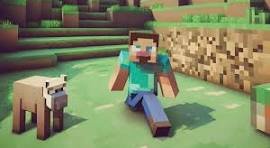
Minecraft, originally released in 2009, has become one of the most iconic and influential games in history. Known for its blocky aesthetic, open-world exploration, and infinite possibilities for creativity, Minecraft has captured the hearts of millions of players worldwide. With its unique and minimalist visual style, the game’s icons and banners play a significant role in building its identity and creating an engaging user experience.
In this post, we’ll explore the importance of icons and banners within the Minecraft ecosystem, their role in the game’s branding, how they are used by players and communities, and some tips for designing them yourself.
The Role of Icons and Banners in minecraft (2009) game icons banners
Game icons and banners in Minecraft serve various functions, from representing the game in digital spaces like Steam libraries or desktop shortcuts, to promoting community events, mods, and servers. They are an essential part of the user experience, enhancing the visual appeal and providing players with recognizable symbols that embody Minecraft’s core themes of creativity, adventure, and exploration.
These graphical elements also play a crucial role in the modding community. Mods, custom servers, and fan-made content often rely on well-designed icons and banners to distinguish themselves from other projects, attract players, and create a cohesive visual identity.
Why Minecraft Icons and Banners Matter:
- Branding and Recognition: Minecraft’s iconic blocky style is instantly recognizable, and well-designed icons and banners help maintain this brand identity across various platforms.
- User Experience: Whether it’s a server icon or a mod’s promotional banner, these elements contribute to a smooth and immersive user experience by clearly conveying the theme or purpose of the content.
- Community Engagement: Custom icons and banners are a way for creators and server owners to build community recognition and differentiate themselves from others in the vibrant Minecraft ecosystem.
Understanding Minecraft Icons
Minecraft’s visual design is simple, yet it carries a distinct charm that’s both nostalgic and modern. When designing game icons for Minecraft, simplicity is key. Minecraft itself relies on low-resolution textures, and this minimalist approach extends to its game icons.
Characteristics of Minecraft Icons:
- Pixel Art Style: Minecraft’s icons typically stay true to the pixelated aesthetic that defines the game. Even the official icons for the game, such as the dirt block, grass block, or diamond, retain the signature blocky look.
- Icon Size and Resolution: Game icons for Minecraft are usually designed to fit various platforms. The most common size is 256×256 pixels, but depending on the platform (desktop, mobile, or web), different resolutions may be needed.
- Core Symbols: Minecraft icons often feature elements from the game itself, such as blocks, tools (pickaxes, swords), mobs (creepers, skeletons), or notable items like the enchanted diamond sword or a block of obsidian. These icons resonate with players because they represent key aspects of the game’s mechanics and aesthetics.
Tools for Creating Minecraft Icons:
- Aseprite: A pixel art-specific tool, perfect for creating blocky, retro-style icons.
- GIMP: A free, open-source alternative to Photoshop for designing icons with custom transparency layers.
- Photoshop: If you want a more advanced toolkit, Photoshop offers a wide range of features to help fine-tune pixel art and icons.
Designing a Minecraft Icon – Key Tips:
- Keep it Simple: Minecraft’s essence is simplicity. Avoid clutter in your icon design. Choose one or two elements, such as a single block or tool, to represent your server or mod.
- Embrace Pixelation: Unlike most modern games that push for high-resolution, photorealistic icons, Minecraft’s charm lies in its low-res, pixelated look. Use blocky textures and simple color palettes.
- Stay Consistent: If you’re designing a custom icon for your server or mod, try to stay true to Minecraft’s visual language. Stick with colors and symbols that fans will immediately associate with the game.
Minecraft Banners: A Key Tool for Promotion
In Minecraft, banners are used both in-game and outside the game to promote custom servers, mods, and community events. Within the game, players can create custom banners using a variety of wool colors and dye patterns. Outside the game, however, banners are larger graphical assets that serve promotional and branding purposes.
In-Game Banners:
In Minecraft itself, banners are an item that can be crafted and customized. They can be placed on walls or used as decorative elements in builds, but they can also serve as symbols of player factions, teams, or achievements.
- Crafting Banners: Players can craft banners using six wool blocks and a stick, then customize them with various patterns and colors using dyes. This feature allows for personal expression and creativity within the game world.
- In-Game Uses: Banners can be used for marking territories, identifying teams in PvP battles.
Also read: sven coop game icons banners– A Guide for Fans and Creators


** - This is an open-source clone of the popular puzzle game 2048. The game is simple: combine tiles with the same number to reach 2048. Written in JavaScript and hosted on GitHub Pages, it became incredibly popular, with many variations created by other developers. 2. **[Hextris](https://hextris.io/)** - A fast-paced puzzle game inspired by Tetris. It’s a minimalistic but addictive experience. The source code is available on GitHub, and the game runs smoothly on both desktop and mobile devices. 3. **[Flappy Bird in HTML5](https://nebez.github.io/floppybird/)** - A clone of the infamous mobile game Flappy Bird built using HTML5 and JavaScript. This version keeps the original gameplay while showcasing how simple browser-based games can be built and hosted on GitHub Pages. 4. **[Racing Game](https://codevinsky.github.io/racing-game/)** - A small browser-based racing game written in JavaScript. It is a simple, yet fun project that showcases the basics of physics-based game mechanics. 5. **[Dungeon Crawler](https://schteppe.github.io/cannon.js/demos/collisions.html)** - A simple 3D dungeon crawler built using the Cannon.js physics engine and Three.js. It demonstrates the potential of WebGL for rendering real-time 3D graphics in browser-based games. ### How to Host Your Own GitHub.io Game If you're interested in developing or showcasing your own browser-based games using GitHub Pages, follow these steps: #### 1. **Create a GitHub Account and Repository** - Sign up for a GitHub account (if you don’t have one already) and create a new repository for your game. Make sure the repository is public if you want others to play and view the game. #### 2. **Upload Your Game Files** - Upload all necessary files for your game: `index.html`, `styles.css`, `game.js`, images, sounds, and any other assets. #### 3. **Enable GitHub Pages** - Go to the repository settings and scroll down to the "GitHub Pages" section. - Under the "Source" dropdown, select the `main` branch (or whichever branch you are using) and save. - GitHub will then generate a link for your game at `.github.io/`. #### 4. **Play and Share** - Once GitHub Pages processes your files, your game will be live! Share the link with friends or the gaming community. ### Tools and Frameworks for Building GitHub.io Games Here are some popular tools and frameworks for building browser-based games: 1. **Phaser**: A fast, powerful, and free framework for developing 2D games in HTML5. It provides features like physics, animation, input handling, and audio. 2. **Three.js**: A popular JavaScript library that simplifies working with WebGL for creating 3D games and experiences. 3. **P5.js**: A creative coding library that makes it easy to create interactive visuals, animations, and games. It is often used for educational games. 4. **Babylon.js**: A powerful 3D engine that allows developers to create complex 3D browser games. 5. **Construct**: A game development platform that allows for visual game creation with no coding necessary. However, the final output can still be hosted on GitHub Pages. ### Benefits of Hosting Games on GitHub.io 1. **Free and Easy Setup**: You can host static web content for free on GitHub Pages, making it perfect for indie game developers on a budget. 2. **Open Source Collaboration**: GitHub’s collaborative features like issues, pull requests, and forks make it easy for other developers to contribute to your game. 3. **Publicity**: Hosting your game on GitHub.io can bring exposure, especially if your repository becomes popular in the open-source community. 4. **Portfolio Building**: Many developers use GitHub.io to showcase their personal projects and portfolios, and game development can be a standout skill in any portfolio. 5. **Automatic Version Control**: With Git’s built-in version control, you can easily track changes to your game and roll back to previous versions if necessary. ### Challenges of GitHub.io Games 1. **Static Hosting Only**: GitHub Pages only supports static files (HTML, CSS, and JavaScript), so games requiring server-side logic (e.g., multiplayer games) need to use external services for server functionality. 2. **File Size Limits**: GitHub Pages has certain limits on repository size, so games with heavy assets (e.g., high-res images, large audio files) may not be ideal candidates. 3. **Performance**: While GitHub Pages works well for small and medium-sized games, larger games may suffer from performance issues, especially if not optimized. ### Final Thoughts **GitHub.io games** represent a great opportunity for developers of all skill levels to create, share, and collaborate on browser-based games. The combination of GitHub’s version control and community-driven ecosystem with the simplicity of static site hosting makes it an excellent choice for indie developers and hobbyists alike. Whether you’re looking to create a simple puzzle game, an educational app, or a complex interactive experience, GitHub Pages is a powerful and free platform to bring your game to the world.](https://cageoflife.com/wp-content/uploads/2024/09/github.io-games-218x150.png "A Detailed Guide to GitHub.io Games")


[…] A Deep Dive into minecraft (2009) game icons banners […]