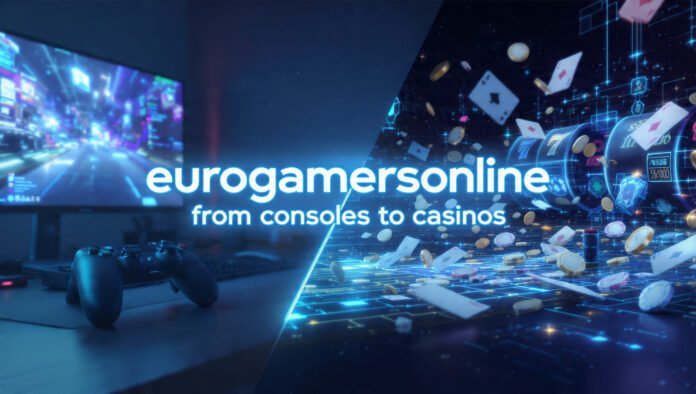
Over the past decade, the world of gaming has experienced a remarkable evolution. Once dominated by consoles like PlayStation, Xbox, and Nintendo, gaming is no longer confined to living rooms. Today, Eurogamers Online exemplify a cultural shift where traditional gaming intersects with online casino experiences. Players in Europe are embracing digital platforms that merge skill-based console games with gambling-style mechanics.
This trend is driven by technological advancements, innovative monetization, and changing attitudes about what “gaming” truly means. The lines between entertainment, social interaction, and financial engagement are increasingly blurred. As gamers transition from consoles to online casinos, they encounter familiar mechanics in entirely new contexts, creating both opportunities and risks. Understanding this crossover is essential for players, parents, regulators, and industry leaders alike.
1. The Evolution of Gaming Culture
Gaming has become one of the most influential forms of digital entertainment worldwide. More than three billion people engage in video games in some form, ranging from casual mobile play to professional esports competitions. European gamers are particularly active in online communities, competitive leagues, and multiplayer networks.
Modern gaming culture is no longer solitary. Social features, online connectivity, and immersive storytelling have transformed video games into global, interactive experiences. Players bond over shared challenges, streaming events, and competitive tournaments. At the same time, the definition of “gaming” varies geographically — in some countries, “gaming” also refers to gambling. This dual meaning is critical to understanding why console gamers might naturally gravitate toward online casino experiences, particularly when familiar gaming mechanics are involved.
2. The Blurred Line Between Gaming and Gambling
Historically, video games sometimes included gambling simulations. Classic console titles offered casino-style minigames that allowed players to experience poker, blackjack, or slots without real money. Today, however, the boundaries between gaming and gambling are far less distinct.
a. Loot Boxes and Reward Systems
Modern video games often feature loot boxes — digital crates containing randomized rewards purchasable with real money. While these add excitement to gameplay, they closely resemble slot machines in structure, introducing gambling-like mechanics to familiar games.
b. Gamified Gambling Features
Online casinos increasingly adopt features from traditional video games, including missions, daily challenges, progress bars, and unlockable achievements. These mechanics create a sense of familiarity for gamers transitioning from consoles to digital gambling platforms.
c. Skill-Based Elements
Some online casino games now incorporate strategy and decision-making, appealing to players who enjoy skill-based console games. Poker and certain blackjack variants, for example, rely on both luck and player expertise, providing a bridge between gaming and gambling experiences.
d. Social Interaction
Just as console and online gamers use platforms like Discord or Twitch to connect, live online casino games offer chat rooms and multiplayer lobbies. This social component encourages engagement and mirrors the community-driven aspects of gaming culture.
3. Why Console Gamers Are Attracted to Online Casinos
The appeal of online casinos for console gamers is not accidental; it is based on overlapping psychological and design principles.
a. Familiar Mechanics
Gamers recognize reward loops, achievements, and leveling systems in both video games and online casino platforms. These features create a sense of familiarity and ease the transition between entertainment and gambling environments.
b. Dopamine-Driven Engagement
Both video games and online casinos leverage reward systems that trigger dopamine release, motivating players to continue playing. The thrill of unlocking a new item or winning a round mirrors the satisfaction found in gambling outcomes.
c. Community and Social Play
Gamers often value social interaction in their play. Live casino tables, multiplayer games, and chat functionalities replicate this communal experience, fostering engagement and loyalty.
d. Skill and Strategy
Games that require strategy, pattern recognition, and decision-making appeal to players who enjoy applying their skills. Many console gamers find online poker or strategic betting games intellectually stimulating, blending competition with financial risk.
4. Risks and Controversies
While the integration of gaming and gambling offers exciting possibilities, it also raises significant concerns.
a. Addiction and Financial Risk
The combination of gambling mechanics with familiar gaming loops can encourage compulsive behaviors. Players may be drawn to repeated spending on loot boxes or online casino wagers, leading to financial and emotional consequences.
b. Regulatory Challenges
As gaming mechanics increasingly mirror gambling, governments and regulators face challenges in defining legal boundaries. Loot boxes, in particular, have sparked debates over whether they constitute gambling, prompting restrictions in several countries.
c. Psychological Implications
Reward systems designed to hook players can create overconfidence and risky behaviors. Early wins encourage continued play, potentially escalating losses. The combination of skill-based gameplay and chance-based gambling creates a unique psychological dynamic that requires careful consideration.
5. The Digital Casino Experience
Online casinos are no longer static platforms with limited interactivity. Modern digital casinos offer features that rival the best aspects of console gaming:
- Live Dealer Games: Real-time streaming simulates the experience of physical casino floors, complete with professional dealers and interactive play.
- Progressive Jackpots: Continually increasing prizes create excitement and long-term engagement.
- Virtual Reality Casinos: Immersive 3D environments allow players to experience the thrill of a real casino from their homes.
These innovations provide convenience and immersion but also demand attention to security, privacy, and responsible gaming practices.
6. Skills, Earnings, and Strategy
For some Eurogamers, the crossover into online casinos represents more than entertainment — it’s a potential avenue for earnings.
a. Professional Gaming and Streaming
Competitive gaming and streaming have become lucrative industries. Skilled gamers often have the experience, focus, and strategic thinking necessary for certain skill-based casino games.
b. Transferable Skills
Gamers adept at pattern recognition, probability calculation, and emotional control may perform better in strategy-driven casino games like poker or blackjack. While luck remains a factor, skill can influence outcomes, offering familiar challenges for experienced players.
7. The Future of Gaming and Gambling
The line between console gaming and online casinos is likely to become even more intertwined:
- Blockchain and Cryptocurrency Casinos: Transparent systems and decentralized currencies may redefine online gambling.
- Immersive Virtual and Augmented Reality Experiences: Gamers could soon navigate virtual casinos with the same freedom and interaction as in real-world venues.
- Evolving Regulations: Governments will continue to define safe and ethical boundaries, ensuring that platforms remain responsible while innovative experiences flourish.
As technology advances, the interaction between gaming and gambling will continue to grow, offering opportunities, risks, and new ways for players to engage digitally.
Read More: How to Become an UndergrowthGames Contributor
Conclusion
The rise of Eurogamers Online illustrates a fundamental shift in entertainment: gaming and gambling are no longer entirely separate worlds. Console players now encounter mechanics, social interaction, and reward systems that overlap with online casino experiences. This convergence offers unique opportunities for engagement, skill development, and even professional income, but it also raises significant concerns about addiction, financial risk, and ethical boundaries. Responsible play, transparent platforms, and regulatory oversight are crucial as these industries continue to evolve.
For players, understanding the crossover between skill-based gaming and chance-based gambling can foster healthier engagement and informed decisions. The future will likely see deeper integration, with virtual and augmented reality, cryptocurrency systems, and immersive social features redefining what it means to play, compete, and wager. Eurogamers Online exemplify this transformation, highlighting both the excitement and caution required in the digital entertainment landscape.
FAQs
1. What does “Eurogamers Online” mean?
It refers to European gamers engaging in digital play, from consoles to online casino platforms, reflecting a cultural and technological shift in gaming.
2. How are console games connected to online casinos?
Console games share reward loops, achievements, and progression mechanics that online casinos now use, making the transition familiar for players.
3. Are loot boxes considered gambling?
Many regulators consider loot boxes similar to gambling because they involve random rewards purchased with real money, leading to restrictions in some countries.
4. Can gaming skills help in online casino games?
Yes — strategic thinking, pattern recognition, and emotional control can improve decision-making in skill-based casino games, though luck still plays a major role.
5. What risks exist for gamers moving to online casinos?
Players face potential addiction, financial loss, and psychological effects due to reward systems designed to encourage prolonged engagement and repeated spending.